
When we talk about Generative AI, the conversation usually revolves around productivity, automation, or the fear of replacement. But what happens if we shift the lens? What if we look at AI not just as a tool, but as a catalyst for our own ethical and spiritual growth?
A recent conversation sparked a profound realization for me, anchored by a fascinating article from Justoborn about AI and traditional Japanese kimono design.
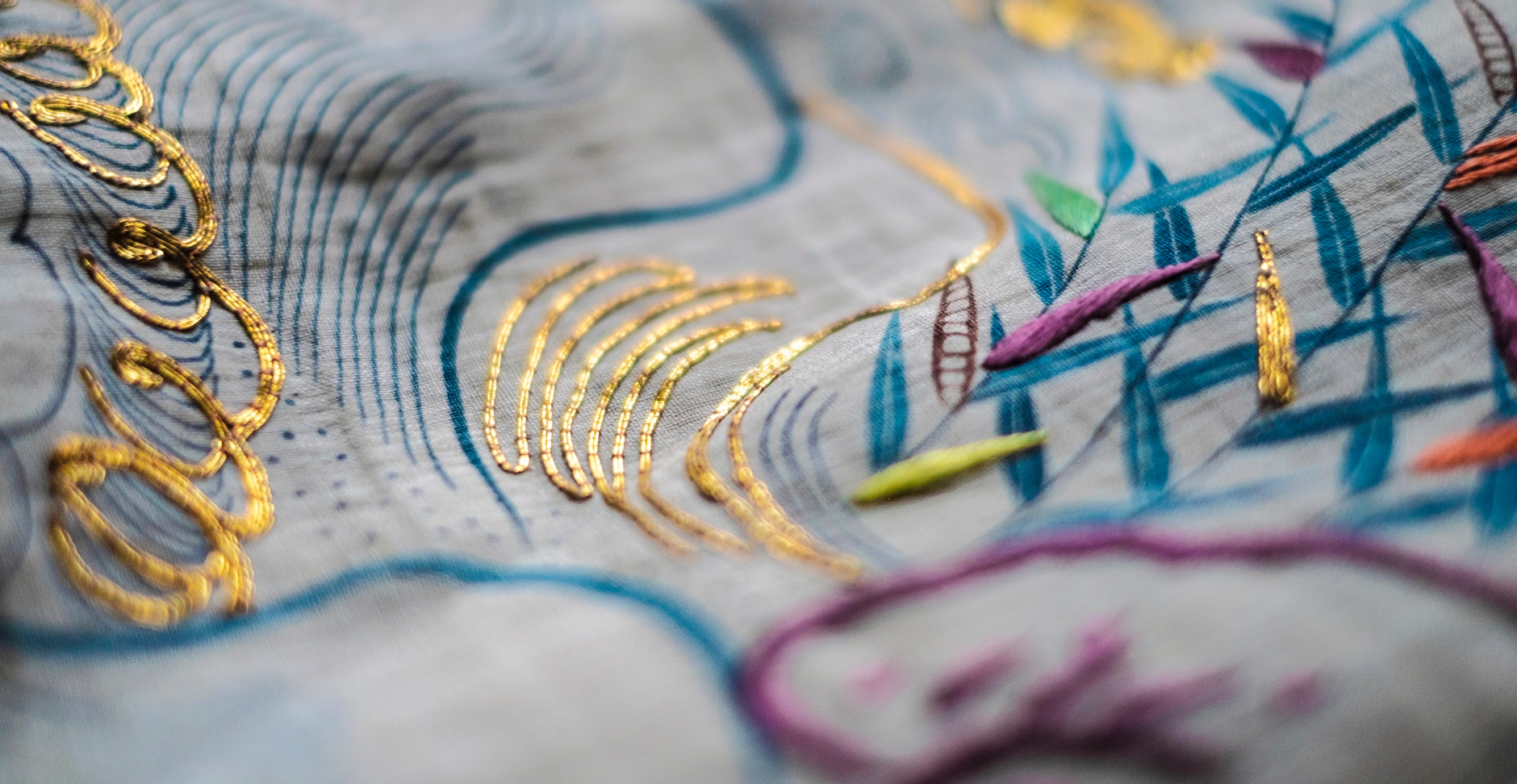
For centuries, kimono patterns have been steeped in strict tradition, symbolism, and history. You might think AI would dilute this ancient art. Instead, the opposite is happening. AI algorithms are "studying" thousands of historical garments to understand the foundational rules of the craft. Then, in collaboration with human designers, they generate breathtaking, entirely new patterns. AI isn't erasing tradition; it's absorbing it to create new realities. As the article beautifully highlights: "Tradition is not the worship of ashes, but the preservation of fire."
Now, let's take this concept from silk patterns to how we live, work, and relate to one another.
1. Ethics as Our "Dataset"
Just as an AI needs a dataset to learn how to design a kimono, it needs a baseline to interact with us. Our ethics and community values are that baseline. They are the "ancient patterns" of humanity—the practical, non-negotiable rules of how we treat each other.
2. Co-Creating New Solutions
This is where the real potential might lie. AI can process massive amounts of human history, culture, and past decisions in seconds. By analyzing all this data, it can help us spot connections we usually miss in our own temporal frame. If we anchor AI in our traditional values, it might help us apply those values to modern, unprecedented challenges. It’s an invitation to reinvent our communities and workplaces based on the best of what humanity as a whole has already learnt.
3. A Mirror for Our Culture
On a deeper level, this collaboration acts as a powerful mirror. Seeing all our human choices and cultural data reflected back at us, forces us to be more self-aware. It cuts through the daily noise and reminds us of what actually matters. Instead of just running on autopilot, we are pushed to consciously strengthen our ethics. Tradition doesn't hold us back; it becomes the stable ground we need for practical innovation.
The Responsibility We Can't Outsource
Of course, we are exposed. AI has limitations, and a tool this powerful requires strict guardrails. The kimono artisans don’t just let the algorithm run wild; they curate, guide, and refine.
We must do the same with our values. As we step into an unknown future, we have the profound responsibility to intentionally integrate our ethics into AI. We have to actively teach these systems "what IS and what ISN'T."
Generative AI is a magnificent loom, but humanity must remain the weaver. Because no matter how infinite the possibilities of the algorithm become, true greatness will always reside in the human soul. Ultimately, this isn't just about building better technology; it's about using it to be the best we can be.
